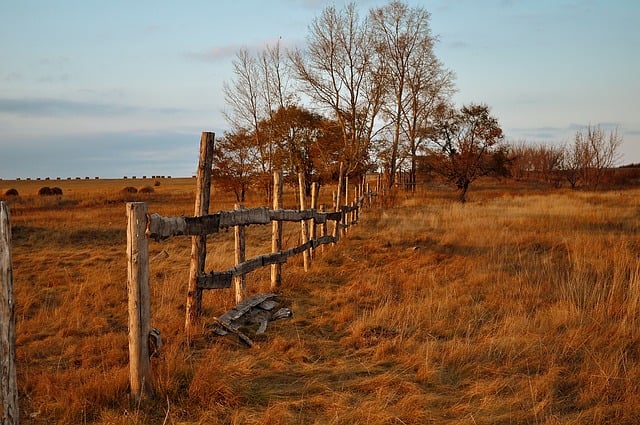
In New Bedford, Massachusetts, enhancing your outdoor space with a custom fence offers both aesthetic appeal and functional benefits. This comprehensive guide explores the art of designing and installing unique fences tailored to individual preferences. From understanding specific needs to selecting from diverse materials and styles, each step ensures a perfect fit for your property. Learn about the creative design process, installation techniques, and essential maintenance tips to transform your outdoor area with a beautiful, long-lasting fence.
- Understanding Your Custom Fence Needs
- Materials and Styles for Every Taste
- The Design Process: From Concept to Reality
- Installation Techniques and Timeframes
- Maintaining Your New Fence: Tips and Care
Understanding Your Custom Fence Needs
When considering a custom fence for your New Bedford property, understanding your specific needs is paramount. Every yard and homeowner is unique, so what works for one may not suit another. Take time to consider not just the aesthetic appeal but also functionality, privacy, security, and maintenance. For instance, do you seek a sleek, low-maintenance option or a more intricate design that requires regular care? Are there specific areas needing protection, like poolside or play areas?
Additionally, think about your property’s layout, surrounding landscapes, and neighboring structures. Customization allows for tailored solutions, so consider the height, style, and materials that align with both your preferences and practical requirements. By clearly defining these needs, you’ll ensure a fence that enhances your living space and meets your individual expectations.
Materials and Styles for Every Taste
When it comes to custom fence design, New Bedford residents have a plethora of options to suit their unique preferences. The materials and styles available are diverse, ensuring that every taste and budget can be accommodated. From traditional wooden picket fences to modern metal creations, the possibilities are endless.
Natural materials like wood offer warmth and classic charm, while contemporary alternatives such as vinyl or aluminum provide durability and low-maintenance care. Each material has its own aesthetic appeal, allowing homeowners to choose based on their desired look and feel. Whether you prefer a rustic, country-style fence or a sleek, urban design, there’s a custom solution waiting to be crafted just for you.
The Design Process: From Concept to Reality
The design process for custom fence installation begins with a consultation where our experts listen to your vision and specific needs. We then translate this into a conceptual sketch, discussing materials, styles, colors, and functionality. This back-and-forth collaboration ensures the final product aligns perfectly with your expectations. Once approved, our team uses advanced tools and techniques to bring the concept to life, transforming your outdoor space into a beautifully designed and secure enclosure.
Installation Techniques and Timeframes
When it comes to installation techniques, our expert team employs a range of specialized methods tailored to different fence styles and materials. For wood fences, we use proven techniques that ensure structural integrity, including precision cutting and secure fastening. Vinyl fencing installation involves a slightly different process, focusing on sealing joints and ensuring water-tightness for long-lasting durability. Chain link fences are installed with a combination of vertical and horizontal wiring, guaranteeing both strength and security.
Timeframes vary based on the complexity of the project and the type of fence chosen. On average, a standard wood or vinyl fence can be installed within 1-2 weeks. More intricate designs, however, may take up to three weeks or more. Chain link fences, often requiring additional preparation like digging post holes, typically have a longer installation period, ranging from two to four weeks, depending on the size and scope of the project.
Maintaining Your New Fence: Tips and Care
After your new fence is installed, proper maintenance is key to ensuring its longevity and aesthetic appeal. Regular cleaning with a soft brush or garden hose will remove dirt and debris, keeping the fence looking fresh. Apply a fresh coat of paint or sealant every couple of years to protect against the elements. Inspect your fence for any signs of damage, such as broken boards or loose posts, and make repairs promptly to prevent further deterioration.
Consider adding a layer of mulch around the base of the fence to control weeds and help retain moisture in the soil, which will benefit both the fence and surrounding landscaping. Regular trimming of trees and shrubs that grow near your fence can also prevent damage from branches scraping against the surface. By following these simple tips, you’ll enjoy a beautiful, durable fence for years to come.